

The B-Side Highlight
Visual Example
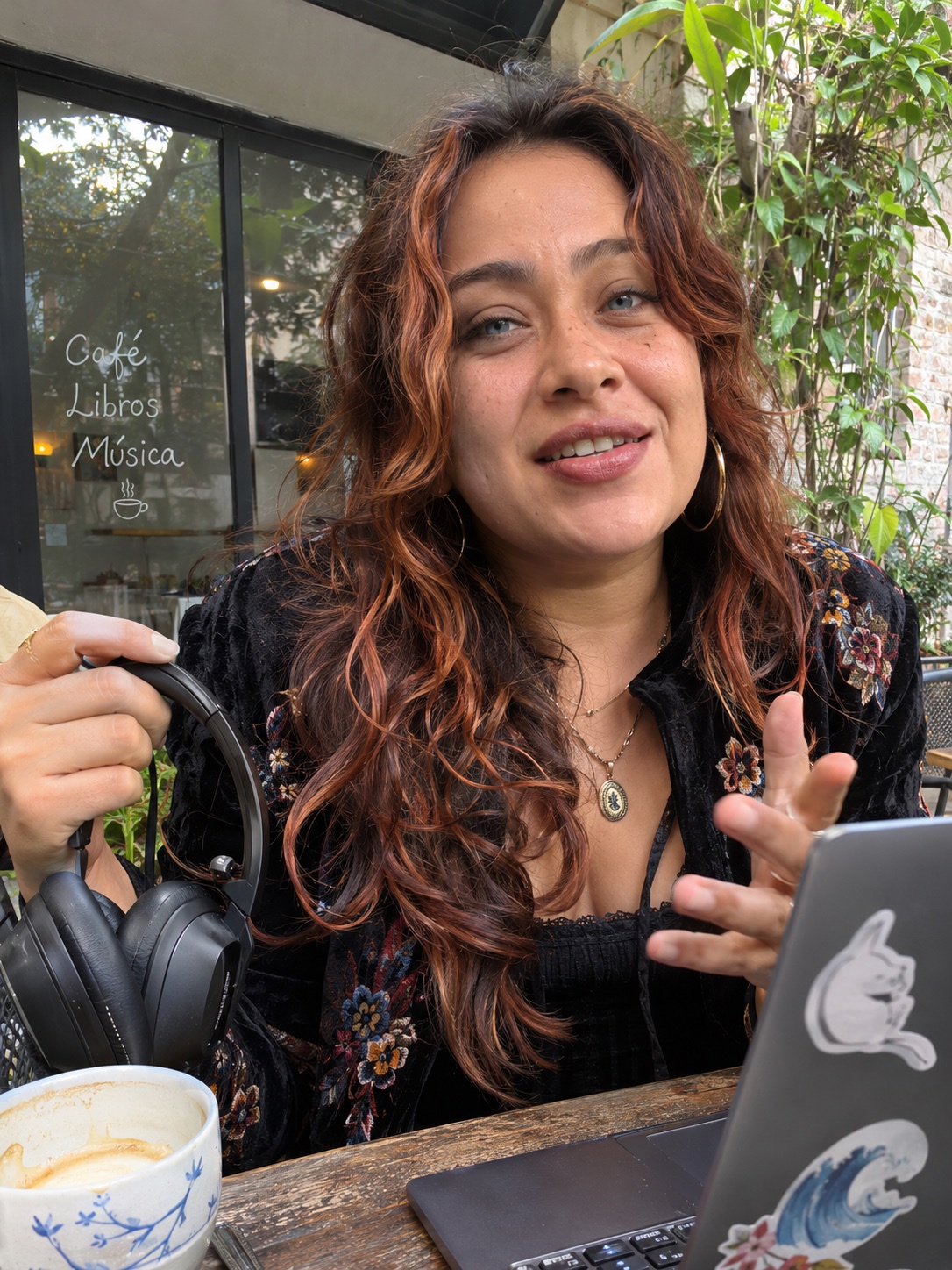
FILL Brief
Take the creative direction, hooks, and step-by-step execution plan with you.
Save to Collections
Choose where to keep this idea. Your collections are saved in this browser.
View my collections →The Idea
A few weeks after a project drops, ignore the lead single. Make a video spotlighting the least-streamed, weirdest, or quietest song on the project. Defend it and explain why it is secretly your favorite.
Why This Works
It drives deep-catalog streams. It appeals to superfans who pride themselves on liking the "underrated" tracks, and it gives the algorithm a fresh piece of audio to push.
Hook Bank
- Direct
- Why track 7 is secretly my favorite song on the whole album.
- Curiosity
- Everyone is streaming the single, but you guys are sleeping on this track...
- Personality
- This is the quiet track on the project that I keep returning to.
- Sarcastic
- The lead single has had enough attention. I am appointing this one favorite child.
How to Execute
- Plan the opener
Try this opener as a starting point: “Why track 7 is secretly my favorite song on the whole album”. Choose the first image or moment that makes its promise clear.
- Make the first pass
Play the snippet. Explain the deeply personal or experimental reason it was made. Admit that it isn't radio-friendly, but assert that it is the heart of the project.
- Shape the sequence
Use this order for your first cut: The Lead-in → The Snippet → The Defense of the B-Side. Watch the first cut muted to check that captions and visuals carry the hook, then play it with sound to check levels.
- Check and publish
Use this call to action as your starting point: "What is the most underrated track on the project in your opinion?" Preview the finished post and verify that any link, tag, or instruction works.
Make It Yours
- Producers: Highlight the weird, unquantized interlude beat on the tape.
- Creatives: Highlight the messy, rapid sketch in the back of the portfolio instead of the polished cover.
- Connect the less familiar track to a specific listening moment and play the passage that makes it work there.