The Nostalgia Flip
Visual Example
FILL Brief
Take the creative direction, hooks, and step-by-step execution plan with you.
Save to Collections
Choose where to keep this idea. Your collections are saved in this browser.
View my collections →The Idea
Perform a freestyle, a beat flip, or a cover of an incredibly nostalgic piece of media from your childhood—a cartoon theme song, an old video game loading screen, or a legendary 2000s commercial jingle.
Why This Works
Nostalgia is the most powerful engagement tool on the internet. It instantly unites everyone in your demographic. Applying your high-level, modern talent to a childhood memory creates an irresistible, viral loop.
Hook Bank
- Direct
- Flipping the [Show Name] theme song into a trap beat.
- Curiosity
- If you grew up in the 2000s, this beat is going to hit different...
- Personality
- I couldn't get this theme song out of my head, so I rapped over it.
- Sarcastic
- Apologizing to Nickelodeon for what I just did to their song.
How to Execute
- Plan the opener
Try this opener as a starting point: “Flipping the [Show Name] theme song into a trap beat”. Choose the first image or moment that makes its promise clear.
- Make the first pass
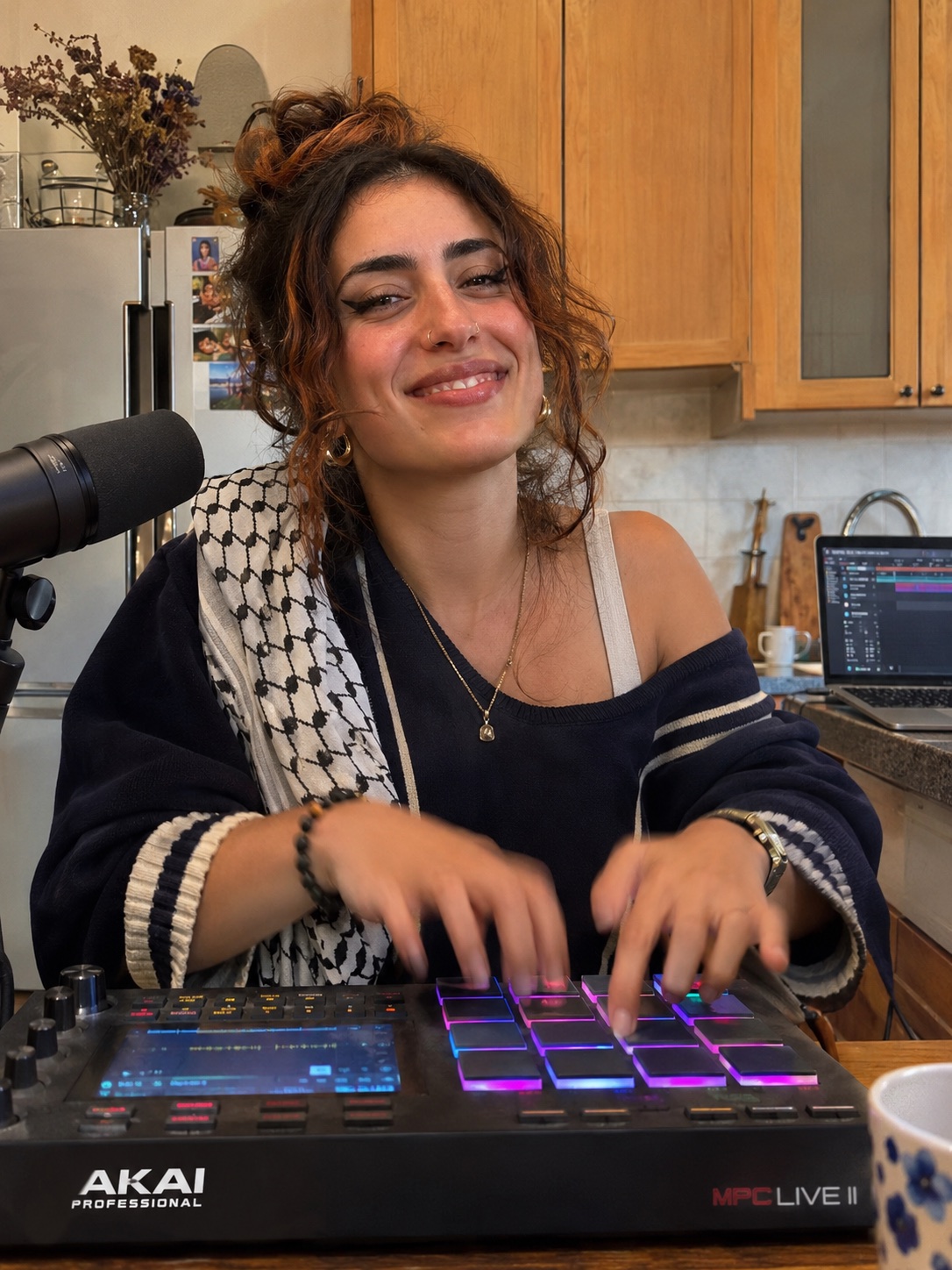
Producer plays the GameCube startup sound. They chop it up on the MPC, add heavy 808s and drill hi-hats, and perform a live finger-drumming routine that completely transforms the nostalgia into a modern banger.
- Shape the sequence
Use this order for your first cut: Play Nostalgic Audio -> The Flip/Performance. Watch the first cut muted to check that captions and visuals carry the hook, then play it with sound to check levels.
- Check and publish
Use this call to action as your starting point: "What childhood theme song should I remix next?" Preview the finished post and verify that any link, tag, or instruction works.
Make It Yours
- Singers: Turn a goofy cartoon theme song into a massive, serious R&B ballad.
- Creatives: Redesign a classic PS2 video game cover in your modern, sleek aesthetic.
- Play the original tune simply, then add your current vocal tone or drum groove on the second pass.